Google's November 2026 core update: what changed and what to do
By Lusosynk team
Published · 2 min read
Explore with AI
Contents
Google started rolling out a core update on 10 November 2026. If your site's traffic has moved in the last few days, it's worth understanding what a core update is, how to confirm whether you were affected and what to do (and not do) now.
What a core update is
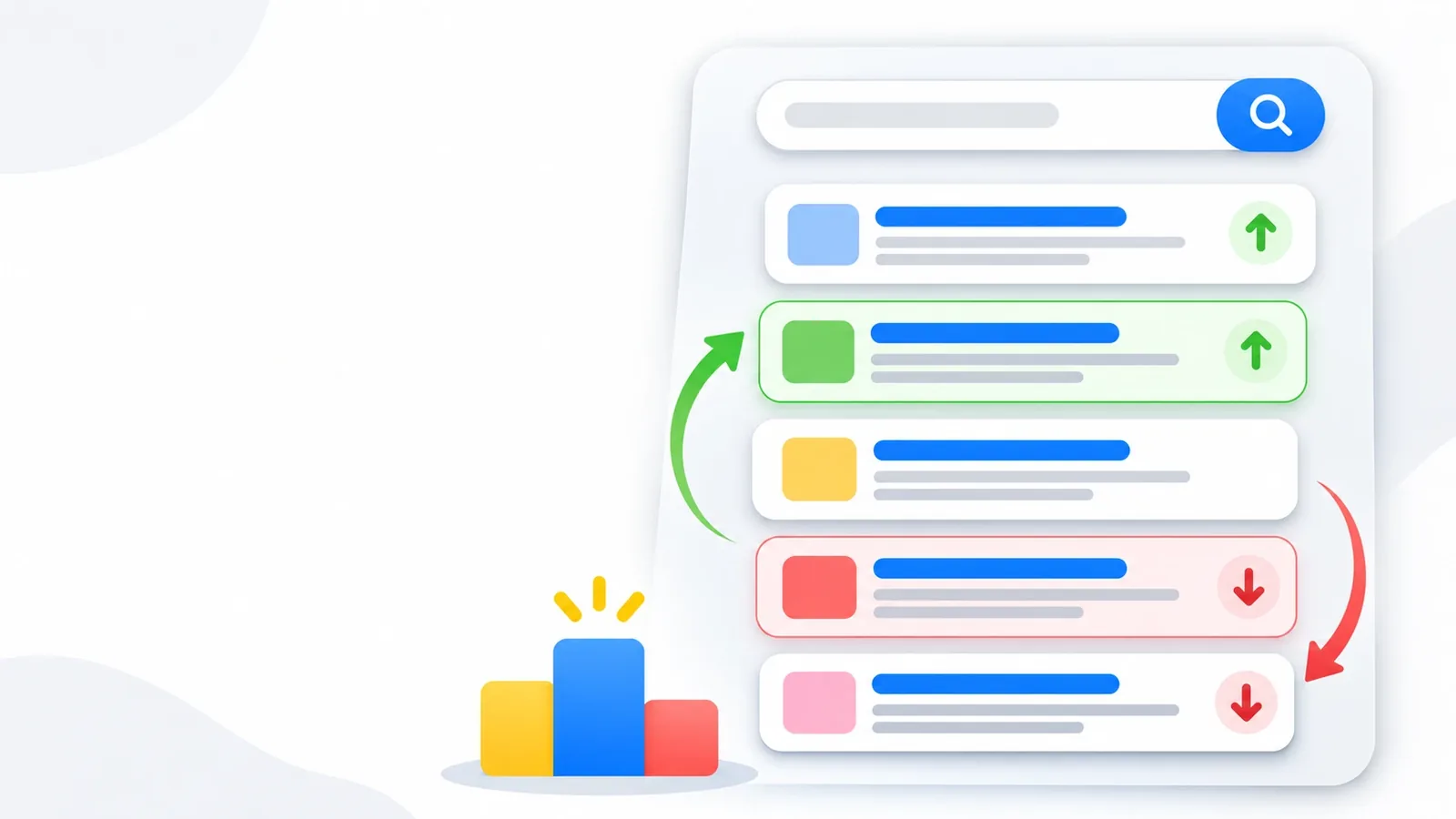
A core update is a broad change to Google's ranking systems. It doesn't target specific sites: it changes how Google assesses the relevance and quality of content, so some pages go up and others go down.
What Google said about this update
- Start: 10 November 2026, at around 18:00 UK time, announced on the Google Search Status Dashboard.
- Expected duration: up to two weeks. If that holds, the rollout will finish around 24 November, a few days before Black Friday (27 November).
- Scope: every country and every language.
- What Google communicated: it's a regular update, designed to surface relevant, useful content from all types of sites. Google hasn't published a dedicated post about this update or named any specific changes.
- Context: it's the third core update of 2026, after the March and May updates.
How to tell whether your site was affected
- Wait for the rollout to finish. Judging it halfway through leads to misleading conclusions.
- In Google Search Console, compare a full week after the rollout ends with a week before 10 November. This is what Google recommends in its documentation on core updates.
- Look at pages and queries, not just the total. Find which pages gained or lost clicks and positions.
- Cross-check with Google Analytics to see whether the drop is in organic traffic or comes from another source.
What to do if you lost traffic
- Don't make panic changes. Core updates take time to settle.
- Find the pattern: were the pages on one topic, of one type (guides, products) or from one period?
- Review the affected pages as a reader would: do they answer the search? Are they out of date? Are there better pages ranking above you?
- Improve the content, not just the wording: examples, data, visible authorship, up-to-date information.
- Check the technical basics: indexing, speed and errors in Search Console.
What not to do
- Rewrite the whole site.
- Buy links to “make up for it”.
- Delete pages just because they dropped.
And if your traffic went up?
It isn't a permanent reward. Keep what works and keep updating your content.
Conclusion
A drop after a core update isn't a penalty: Google re-assessed the pages, and others now answer those searches better.
A core update is measured calmly: wait for the end, compare equal periods and decide page by page. If you'd like a second opinion on your numbers, request a diagnosis.
Sources and references
- Google Search Status Dashboard (Google)
- Google Search's core updates, Google Search Central documentation (Google)
- Google November 2026 core update rolling out now (Search Engine Land)
- Google's November 2026 Core Update Starts Rolling Out (Search Engine Journal)
- Google November 2026 Core Update Is Rolling Out (Search Engine Roundtable)
Need help?
We'll handle SEO for you
Request a diagnosis and we'll tell you what we'd do first.
About the author
Lusosynk team
Digital marketing agency in Portugal: SEO, Web Analytics, CRO, paid media and social media, with decisions driven by data.